When you shop for home internet, the two options you will see most often are fiber and cable. Both can be fast enough for streaming, gaming and working from home, but they work differently, and the right choice depends on how your household uses the internet and what is available at your address.
This guide explains the differences in plain language so you can choose with confidence.
What Is Cable Internet?
Cable internet uses the same coaxial cable network that was originally built for cable TV. It is one of the most widely available types of home internet in the United States, which means many households can get it without new lines being installed.
Cable plans often range from basic speeds for browsing and email up to very fast plans of 1 Gig or more in some areas. The main thing to know is that cable usually has much slower upload speeds than download speeds. That is fine for streaming and browsing, but it can matter if you upload large files, stream live video or spend a lot of time on video calls.
What Is Fiber Internet?
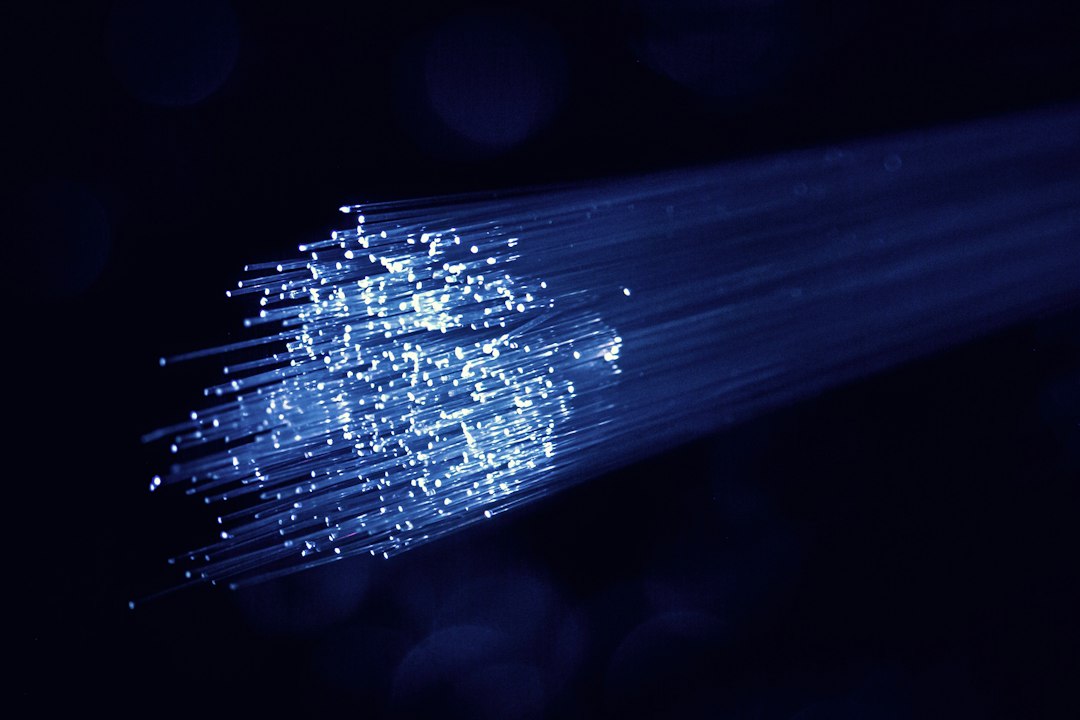
Fiber internet sends data as light through thin glass strands. It is the newest type of home internet and is built for high speeds and steady performance.
The biggest advantage of fiber is that it often offers symmetrical speeds, meaning upload speeds are similar to download speeds. Fiber also tends to hold its speed well during busy evening hours, when many neighbors are online at the same time.
The main drawback is availability. Fiber networks are still expanding, so they are not available at every address yet.
Fiber vs Cable: Side-by-Side
| Feature | Fiber | Cable |
|---|---|---|
| Download speeds | Very fast, often up to multiple Gigs | Fast, often up to 1 Gig or more in some areas |
| Upload speeds | Often the same as download | Usually much lower than download |
| Performance at busy times | Generally very steady | Can slow down when many neighbors are online |
| Availability | Growing, but limited in some areas | Widely available |
| Best for | Heavy users, creators, remote workers, gamers | Streaming, browsing, most everyday households |
Which One Should You Choose?
Choose fiber if:
- You work from home and are on video calls most of the day
- You upload large files, stream on Twitch or YouTube, or back up photos to the cloud
- You have a large household with many devices online at once
- You play competitive online games and want the steadiest connection
Cable is a great fit if:
- You mainly stream shows and movies, browse and use social media
- Fiber is not available at your address yet
- You want a wide choice of plans and speed tiers
For many households, a good cable plan is more than enough. The most important step is to compare what is actually available at your address, since availability, speeds and pricing vary by location.
Frequently Asked Questions
Is fiber always faster than cable?
Not always for downloads. Some cable plans offer very high download speeds. Fiber’s main advantage is usually faster uploads and more consistent performance.
Do I need fiber for streaming in 4K?
No. Most cable plans have enough speed to stream in 4K. What matters more is how many people stream at the same time in your home.
How do I know which type is available at my address?
Availability depends on your exact location. The quickest way to find out is to speak with an agent who can check the providers and plans available where you live.
Get Help Choosing the Right Plan
Not sure whether fiber or cable is available at your address? Our team can compare options from providers such as Xfinity and Optimum and help you choose a plan that fits your household.
Call +1 (888) 450-0142 (Monday to Friday, 9am to 7pm) to speak with a live agent.
Fast Internet Dealers is an independent comparison service and authorized dealer of select providers. Availability, speeds and pricing vary by location. See our Advertiser Disclosure.